KT to Manage Digital Signage Ads Across 3,000 CU Stores in Korea
2026-09-05 · via invidis
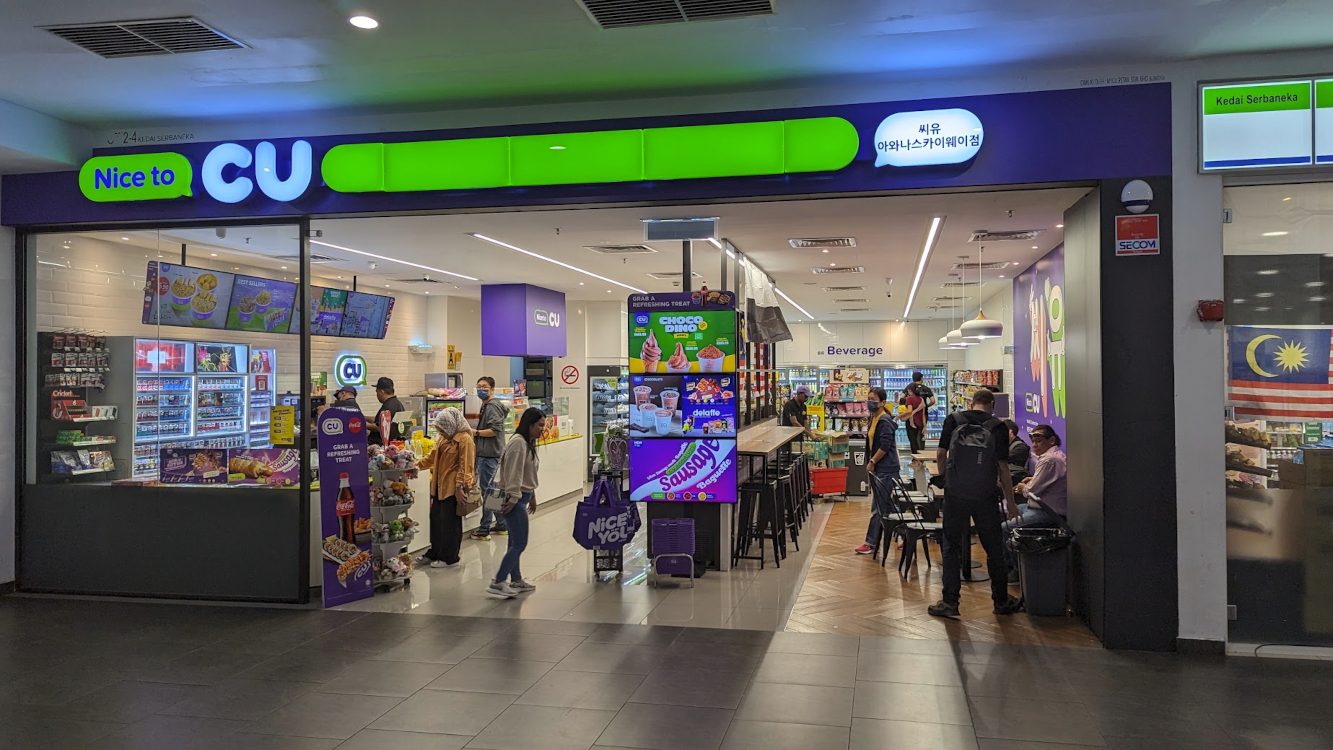
KT, South Korea's telecom operator, has agreed to take over operation of digital signage advertising across roughly 3,000 CU convenience stores nationwide, under a new partnership with BGF Networks, the chain's operator. The network will be folded into KT's existing Baro Advertising platform.
For anyone running a retail media network, the deal is a reminder of who is buying up screen inventory at scale: telecom companies. KT joins Deutsche Telekom and Verizon among carriers pushing into retail media, betting that their existing infrastructure for managing large distributed networks, plus advertiser relationships and data analytics from their core business, translates directly into selling ad space on in-store screens.
Baro Advertising is described by KT as an end-to-end platform covering campaign discovery, booking, execution and performance reporting. According to KT, folding the CU network into that system means advertisers can book campaigns across CU stores alongside other retail media inventory through a single interface, rather than negotiating each network separately. KT says this will make planning, execution and reporting more efficient, though the announcement gives no specifics on pricing, screen counts per store, hardware specs or the CMS running underneath Baro Advertising.
Why convenience stores matter to advertisers
The release makes the case that convenience stores are a particularly good fit for retail media compared to supermarkets. Shopping trips to convenience stores tend to be unplanned, which the companies argue makes them better suited to impulse purchases and product discovery than the more deliberate mission-based shopping typical of grocery. That, combined with high footfall and repeat visits, is presented as the rationale for treating CU's 3,000 locations as a national-scale advertising asset rather than a collection of individual store screens.
For signage operators and integrators, the appeal of convenience store networks is straightforward: a large number of similar, distributed sites with consistent daily traffic, which makes it easier to sell to advertisers wanting national coverage without negotiating store by store.
What is missing
The announcement does not say what hardware is currently installed in CU stores, whether new displays or players are being deployed as part of the deal, or what the commercial terms are between KT and BGF Networks. There is also no detail on measurement methodology, audience data sources, or how revenue will be split. Those details would matter to any operator or brand trying to judge whether this is a genuine data-driven retail media build-out or largely a rebranding of existing signage under KT's advertising platform.
The deal fits a broader pattern flagged in the announcement: telecom operators looking to diversify revenue by combining their network operations expertise with advertising and data services, a trend already playing out with carriers elsewhere moving into retail media and digital-out-of-home.
The announcement in full
Reproduced from invidis for reference. Digital Signage Magazine did not write the text below.
KT is expanding its retail media ambitions by taking over the operation of digital signage advertising across approximately 3,000 CU convenience stores in South Korea. By integrating the network into its Baro Advertising platform, the telecom giant aims to simplify campaign management while bringing data-driven advertising capabilities to one of the country's largest retail footprints.
Following in the footsteps of Deutsche Telekom, Verizon and other telecom operators entering the retail media space, Korea’s KT is strengthening its position in the rapidly growing RMN market through a new partnership with BGF Networks, operator of the CU convenience store chain. The agreement will see KT manage digital signage advertising across approximately 3,000 CU locations nationwide, significantly expanding the reach of its retail media business.
At the center of the initiative is Baro Advertising, KT’s proprietary advertising platform. The system offers advertisers an end-to-end solution covering campaign discovery, booking, execution and performance analysis. By connecting CU’s in-store digital signage network to Baro Advertising, KT aims to create a more streamlined and measurable advertising environment for brands seeking to reach consumers at the point of purchase.
According to KT, advertisers will be able to access the CU network alongside other retail media opportunities through a single platform, making campaign planning, campaign execution and reporting significantly more efficient. The company expects the integration to improve advertiser convenience while optimizing media operations and campaign delivery.
Convenience Stores: A Natural Retail Media Environment
Convenience stores are particularly attractive retail media environments due to their high footfall, frequent customer visits and close proximity to purchasing decisions. Unlike supermarkets, where shopping missions are often planned in advance, convenience stores are ideally suited for impulse purchases and product discovery. Consumers are also more willing to try new products in smaller quantities, making C-stores an effective channel for brand activation and product launches.
For digital signage operators, convenience stores offer an additional advantage: a highly distributed network of locations with consistent customer traffic throughout the day, creating scalable opportunities for advertisers seeking national reach.
Why Telecom Operators Are Moving Into Retail Media
Telecom operators such as KT are increasingly well positioned to capitalize on the retail media boom. They bring extensive experience in managing large-scale digital networks, established advertiser relationships and sophisticated data analytics capabilities. Combined with expertise in operating digital platforms, these strengths enable telecoms to transform in-store screens into measurable, data-driven advertising assets.
KT plans to leverage audience insights, campaign measurement tools and its broader advertising ecosystem to deliver more targeted and accountable retail media solutions. The company’s strategy mirrors a growing global trend in which telecom operators seek to diversify revenue streams by combining connectivity, data and advertising services.
Retail Media in Korea : KT Connects 3,000 CU Stores
LED : The Comedy Store Adds A New Landmark To Sunset Strip
Retail Tech : Alcampo Plans 560,000 Hanshow ESL Rollout Across 84 Spanish Stores
Broadcast Technology : EVS And Matrox Team Up On Software-Defined Production
Omdia Research : Existing Display Factories To Drive Equipment Spending In 2027