LG Exec: Real-Time Data Integration Key to Signage at Major Events
2026-08-06 · via Digital Signage Today
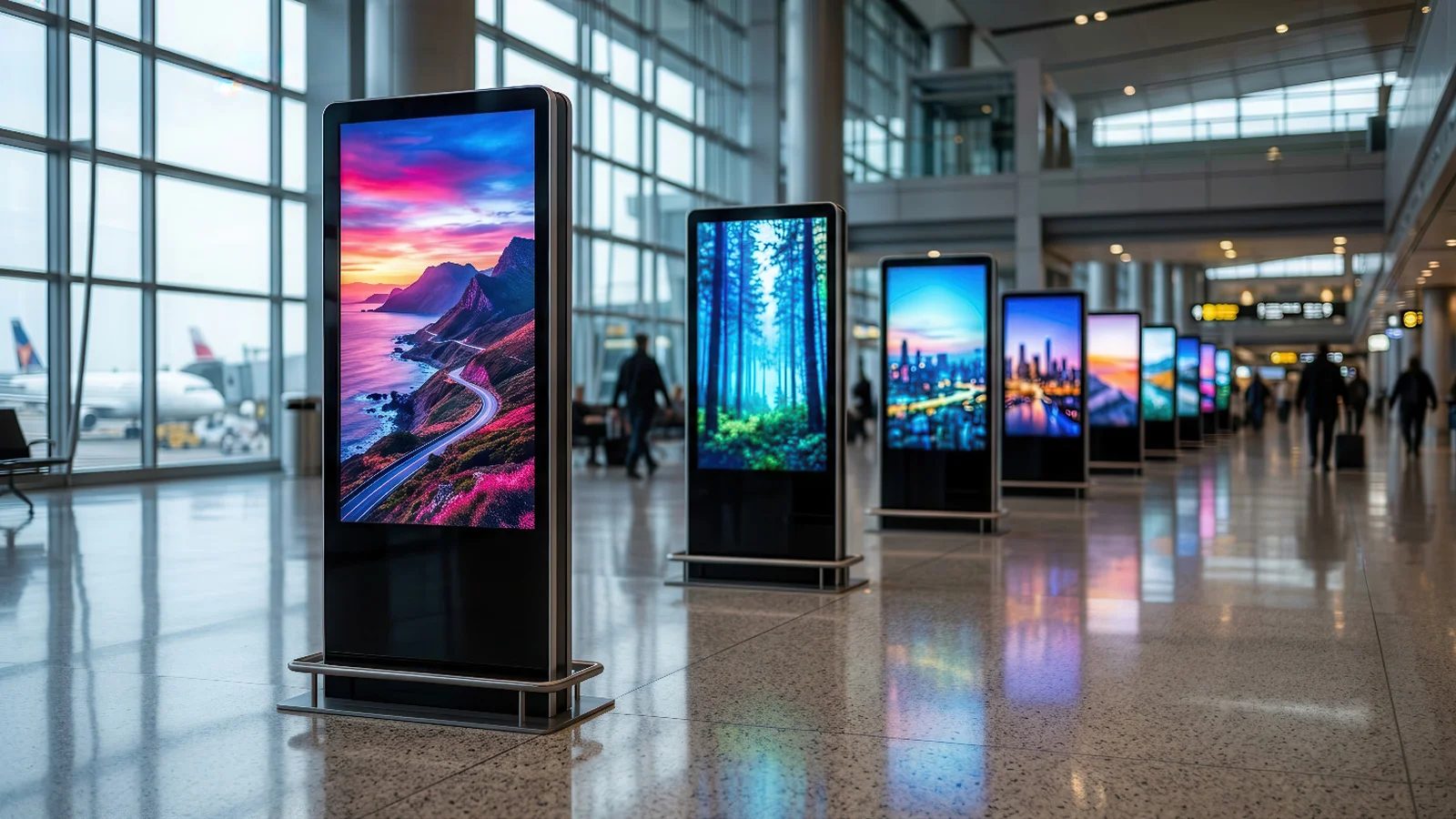
Major sporting events this year, including the FIFA World Cup 2026 and the Milan Cortina Winter Olympics, pushed digital signage networks into high-visibility roles, and industry watchers are using the moment to make a case for why accuracy and reliability matter more than screen count or flashy content.
Several deployments accompanied the World Cup, the first men's tournament hosted in the U.S. since 1994. Clear Channel Outdoor and Footballco partnered in June to push real-time tournament content to Clear Channel's digital billboard network, which the company says reaches 65 million adults weekly. In July, Proto installed two hologram displays at San Francisco International Airport featuring Brandi Chastain and San Francisco Mayor Daniel Lurie, working with SFO, the Bay Area Host Committee and Gen City Labs. Separately, Planar supplied Pro Series LED video walls for NBC Sports' coverage of the Milan Cortina Winter Olympics and Paralympics in February, continuing a production relationship the two companies say dates to 2016.
Digital Signage Today's sister publication interviewed Daniel Verbsky, LG Electronics USA's senior key account manager for transportation, about what these high-traffic deployments demand from operators. Verbsky, who says he has 36 years in the display industry, argued that signage in airports and similar venues needs to function as a connected, real-time system rather than a static status board.
His central point: accuracy depends on integrating live data feeds, such as flight status and wait times, into a centralized content management system, so that content stays consistent across a network even when local teams are stretched thin during surges in passenger volume. He also flagged multilingual content and QR codes as tools for serving international travelers navigating unfamiliar terminals.
Asked about common mistakes, Verbsky said operators often underinvest in operational elements like hardware monitoring and commercial-grade system architecture, which he says matter more for long-term reliability than content design alone. He pointed to LG's own ConnectedCare monitoring service as an example of a tool meant to catch problems before they affect passengers, though the interview does not detail how that compares to monitoring tools from other vendors.
What the piece does not address is cost or implementation timelines for building this kind of centralized, real-time infrastructure, which is likely the bigger obstacle for operators managing legacy networks rather than the technology itself. For venue and transportation signage managers, the takeaway is less about any single product and more about treating displays as infrastructure tied to live data systems, not just another channel for pushing content out on a schedule.
The announcement in full
Reproduced from Digital Signage Today for reference. Digital Signage Magazine did not write the text below.
Digital signage can play a starring role at big events if displays provide accurate and reliable information.
August 6, 2026 by Judy Mottl — Editor: RetailCustomerExperience.com & DigitalSignageToday.com, Connect Media
This past summer brought one of the most spectacular sporting events to stadiums, televisions and mobile devices.
The FIFA World Cup 2026 tournament, which marked the first men's tournament hosted in the U.S. since 1994, ignited a slew of digital signage network and digital display deployments.
Clear Channel Outdoor and Footballco partnered in June to bring curated, real-time FIFA World Cup 2026 tournament content to digital screens across America with Footballco's tournament coverage distributed across Clear Channel Outdoor's nationwide network of digital billboards reaching 65 million adults weekly. In July came the arrival of two hologram ambassadors greeting U.S. FIFA World Cup fans at San Francisco International Airport— two-time Olympic gold medalist Brandi Chastain (also a two-time FIFA World Cup champion) and San Francisco Mayor Daniel Lurie. The two hologram installations, created by Proto, in partnership with SFO, the Bay Area Host Committee and Gen City Labs, were located post-security in Terminal 2 across from the Amex Lounge and in Terminal 3 near the E gates food court area.
Earlier this year, in February, Planar provided its Pro Series LED video walls for NBC Sport's production of the 2026 Milan Cortina Winter Olympics as well as the Paralympics event. Planar has worked with NBC Sports since 2016, assisting production efforts at previous Olympics and other major international sports events in North America, South America, Europe and Asia.
Such global sporting events require keeping digital signage content and information accurate and reliable when engaging with fandoms in the quest to elevate the spectator experience.
Retail Customer Experience reached out via an email interview to Daniel Verbsky, senior key account manager, transportation, at LG Electronics USA. Verbsky, who helps deliver commercial display solutions for airports and other transportation environments, has 36 years in the display industry.
Q. Why is it important that digital signage displays keep information accurate and reliable when it comes to engaging with consumers such as those attending big events like the World Cup?
Verbsky : Even during major events like the World Cup, when airports are more crowded and complex than usual, digital signage should help make the passenger journey feel simple. That is especially important for international travelers, who may be navigating language barriers, unfamiliar terminals and tight connections. When passengers are moving quickly through a high-traffic environment, they rely on digital signage to be a trusted source of information. If information is unclear or inaccurate, it creates confusion and slows foot traffic, which leads to a poor passenger experience. This becomes even more noticeable during events like the World Cup, when large groups of passengers are traveling together and can create bottlenecks as they try to quickly determine where to go next. In those moments, displays should reduce friction and support wayfinding to help passengers move with confidence through the airport.
Q. How should brands approach ensuring that displays are providing real time accurate information. Is it a matter of providing enough resources or using technology?
Verbsky : It's really both. Accurate, real-time information starts with the right technology, but it also depends on how that technology is connected and managed. In airport environments, much of the most important information is run by real-time data applications, including flight status updates and wait time systems. The key is integrating those feeds into a centralized content management system that allows content to be organized, maintained, controlled and displayed in a clear, understandable format. That reduces the burden on local teams and helps ensure passengers are seeing current and consistent information across the airport, even in the face of sudden disruptions. In an environment where real-time data is crucial, like travel, success requires the right displays in place and making sure that technology is connected to the systems that keep the passenger journey moving.
Q. What are the expectations of those experiencing/engaging with digital signage and content?
Verbsky : Passengers expect digital signage to be easy to read, understand and trust. In transportation environments, that means clear and reliable content and real-time information that helps people make quick decisions with confidence. During major international events like the World Cup, expectations are even higher because passengers may be navigating unfamiliar spaces, language barriers and challenging crowd conditions. For these travelers, multilingual content, as well as simple, live updates for security or transit wait times, and consistent messaging across the full journey become especially important. The best signage feels seamless or invisible, because it gives people the right information at the right time. Additional features like QR codes can also add value by giving travelers quick access to supporting information on their own devices for additional customer experience support.
Q. What are some common missteps brands and companies make when managing digital signage content and reliability?
Verbsky : One of the most common missteps is treating signage as a status communication tool instead of a connected, real-time system. If companies are not pulling in live data, refreshing content regularly and maintaining consistency across the journey, signage can become outdated or lose relevance. Another challenge is underinvesting in operational elements like proactive hardware monitoring and more integrated, commercial-grade system architecture that play a major role in long-term reliability.
Solutions like LG ConnectedCare can help organizations identify issues before teams have to find them manually, which is especially important across large networks of digital assets. Content design also matters, if those layouts are cluttered or visuals don't draw attention, then important information can risk being missed. Ultimately, reliability comes from treating signage as an operational system, not just a content channel.
Judy Mottl is the editor of RetailCustomerExperience.com and DigitalSignageToday.com at Connect Media. She is an award-winning editor, reporter and blogger who has worked for top media for nearly four decades, including AOL, InformationWeek and Internet News, as well as for leading technology providers including HP. She’s written everything from breaking news to in-depth industry trends and reported on technology long before the internet arrived, including the debut of the first smartphone. When she's not sharing insights on digital signage deployments and trends in retail customer experience she's on the beach or watching the latest live murder trial.
Get the latest news and resources from Digital Signage Today.