Memory Chip Shortage Could Push Up Digital Signage Hardware Costs
2026-10-05 · via invidis
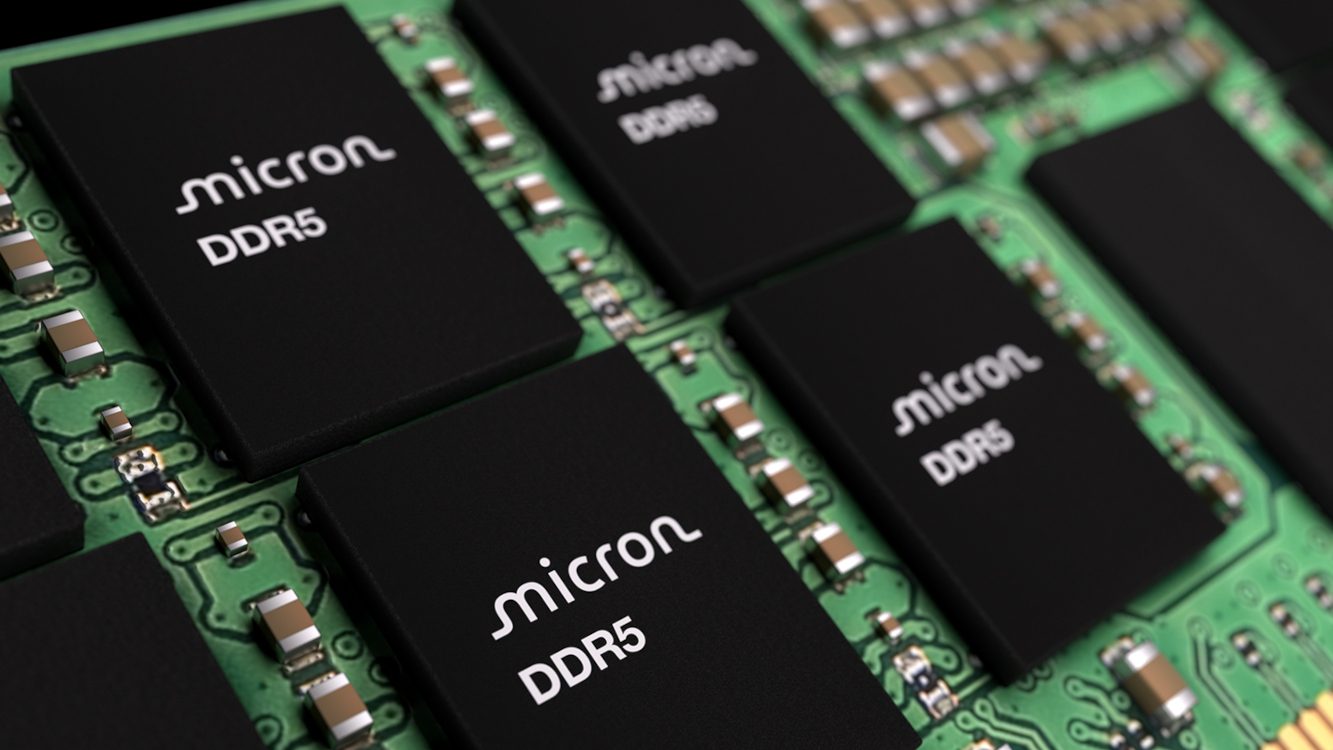
A squeeze on memory chips driven by the AI data center boom is changing the cost structure of connected displays, and the digital signage industry may be next to feel it, according to new research cited by invidis.
Omdia data shows that the processor board, not the panel, now makes up the largest share of hardware costs in entry-level Full HD displays. In 32-inch and 40-inch LCD TVs, Omdia says the processor board now accounts for 45% to 50% of total hardware costs, up from barely more than 10% a year ago. Omdia attributes the shift mainly to sharp price increases for memory, storage and wireless connectivity components: DRAM prices have more than quadrupled year-on-year and NAND flash has risen roughly ninefold, according to the research. In some cases, a single WiFi module now reportedly costs more than the LCD panel itself.
The driver is outside the display industry entirely. Hyperscale data center operators are pouring money into AI infrastructure, and display, smartphone and PC makers are now competing with AI server vendors for the same processors, memory and networking components.
Micron has told investors that DRAM and NAND supply-demand conditions are expected to tighten further in 2027 and 2028, despite planned capacity expansions, with no clear path to equilibrium in sight. That suggests the current price spike is not a short-term blip.
Consumer electronics is already showing strain. Counterpoint Research has warned that shipments of smartphones priced below $200 could fall by as much as 40% as manufacturers struggle to keep entry-level devices profitable. Notebook ODMs report shipment declines exceeding 25% in some categories, with vendors trimming memory and SSD specs to hold prices down.
Why This Matters for Signage Operators
Digital signage hardware draws on the same semiconductor supply chain as phones and PCs. System-on-Chip displays, Android media players, interactive kiosks and collaboration displays all depend on DRAM, NAND storage and wireless modules. Years of falling component costs let signage vendors add performance without raising prices much. That trend now appears to be reversing.
The practical implications for operators, according to the analysis: entry-level media players may need redesigns to run on less memory, large multi-screen rollouts could see higher per-unit costs, and vendors may stretch out hardware refresh cycles to spread the pain.
The squeeze is compounded by the push toward edge AI features such as audience analytics, computer vision and on-device content generation, which demand more memory and processing power rather than less.
Unlike TV brands, which can offset rising hardware costs with advertising revenue from connected platforms, signage vendors mostly run on hardware and service revenue, leaving them more exposed to component inflation. The analysis argues that supply chain management and software efficiency may become as important to signage vendors' competitiveness as panel sourcing has been for the past decade. The report does not name specific signage vendors or products affected, nor does it give a timeline for when price increases might reach signage hardware specifically.
The announcement in full
Reproduced from invidis for reference. Digital Signage Magazine did not write the text below.
For decades, display makers worried about panel prices. Today, they worry about memory chips. The AI boom is fundamentally changing the economics of connected devices, and digital signage may be among the next industries to feel the impact.
The display industry is experiencing a remarkable shift. According to Omdia, semiconductors inside entry-level LCD displays have become more expensive than the panels themselves. At the same time, memory manufacturer Micron is warning that supply shortages and elevated prices for DRAM and NAND storage could persist well into 2028 and beyond.
Taken together, the two developments point to a new reality: in the age of AI, silicon is becoming more valuable than glass.
From Panel-Driven to Chip-Driven Economics
For most of the LCD era, the display panel represented the largest share of manufacturing costs. Omdia’s latest research shows that this is no longer true for many entry-level Full HD displays.
In 32-inch and 40-inch LCD TVs, the processor board now accounts for 45% to 50% of total hardware costs. Just a year ago, the same component represented barely more than 10% of the bill of materials. The dramatic increase is largely driven by soaring prices for memory, storage and wireless connectivity components.
DRAM prices have more than quadrupled year-on-year, while NAND flash has increased roughly ninefold. WiFi modules have seen similarly dramatic inflation. In some cases, a single connectivity module now costs more than the LCD panel itself.
The cause lies far outside the display industry. Hyperscale data center operators are investing hundreds of billions of dollars into AI infrastructure, consuming enormous quantities of processors, memory and networking hardware. Display manufacturers, smartphone vendors and PC makers are increasingly competing with AI server vendors for the same components.
If Omdia’s numbers illustrate the current situation, Micron’s outlook suggests the industry has not yet reached the peak of the crisis.
During its latest earnings call, the memory giant warned that supply-demand conditions for DRAM and NAND are expected to become even tighter in 2027 and 2028. Despite planned capacity expansions across the industry, manufacturers see no clear path toward market equilibrium.
The message is straightforward: additional production capacity is being absorbed almost immediately by growing AI demand.
Industry observers increasingly believe that the era of abundant and inexpensive memory has ended. Instead of temporary price spikes, vendors may have to adapt to structurally higher component costs for the foreseeable future.
Smartphones and PCs Already Feeling the Pain
The first casualties are emerging in consumer electronics.
Counterpoint Research recently warned that shipments of smartphones priced below $200 could decline by as much as 40%. As memory and storage become more expensive, manufacturers may struggle to maintain profitability in the entry-level segment.
The notebook market is facing similar challenges. ODM manufacturers report shipment declines exceeding 25% in some categories, while vendors increasingly reduce memory configurations and SSD capacities to keep systems affordable.
The traditional model of offering ever more performance at ever lower prices is coming under pressure.
Why Digital Signage Should Pay Attention
For the digital signage industry, these developments are more than a consumer electronics story.
Modern signage platforms rely heavily on the same semiconductor ecosystem as smartphones, tablets and PCs. System-on-Chip displays, Android media players, interactive kiosks and workplace collaboration displays all depend on DRAM, NAND storage and wireless connectivity modules.
Many signage vendors have benefited from years of declining semiconductor costs, allowing them to increase performance while keeping prices relatively stable. That trend appears to be reversing.
Entry-level media players may require hardware redesigns with lower memory footprints. Integrators could see higher project costs, particularly for large-scale rollouts involving thousands of screens. Vendors may also extend product lifecycles as hardware refreshes become more expensive.
The impact could be even greater as AI becomes a built-in feature of signage platforms. Local AI (Edge AI) processing for audience analytics, computer vision, content generation and workplace collaboration tools requires additional memory and processing power, exactly the components that are becoming scarce.
In other words, the digital signage industry is being squeezed from both sides: rising demand for AI-enabled functionality and rising costs for the hardware needed to deliver it.
Not all display manufacturers will be affected equally.
TV brands can offset higher hardware costs through advertising revenues generated by their connected platforms. Signage vendors do not have the same luxury. Their business models remain largely hardware- and service-driven, making them more exposed to semiconductor inflation.
As a result, supply chain management, software efficiency and long-term component sourcing may become increasingly important competitive advantages. The display industry has spent years optimizing the cost of panels – soon vendors will need to effectively manage memory and compute resources.