Ocean Outdoor Study: Landmark OOH Screens Lift Brand Perception 88%
2026-10-06 · via invidis
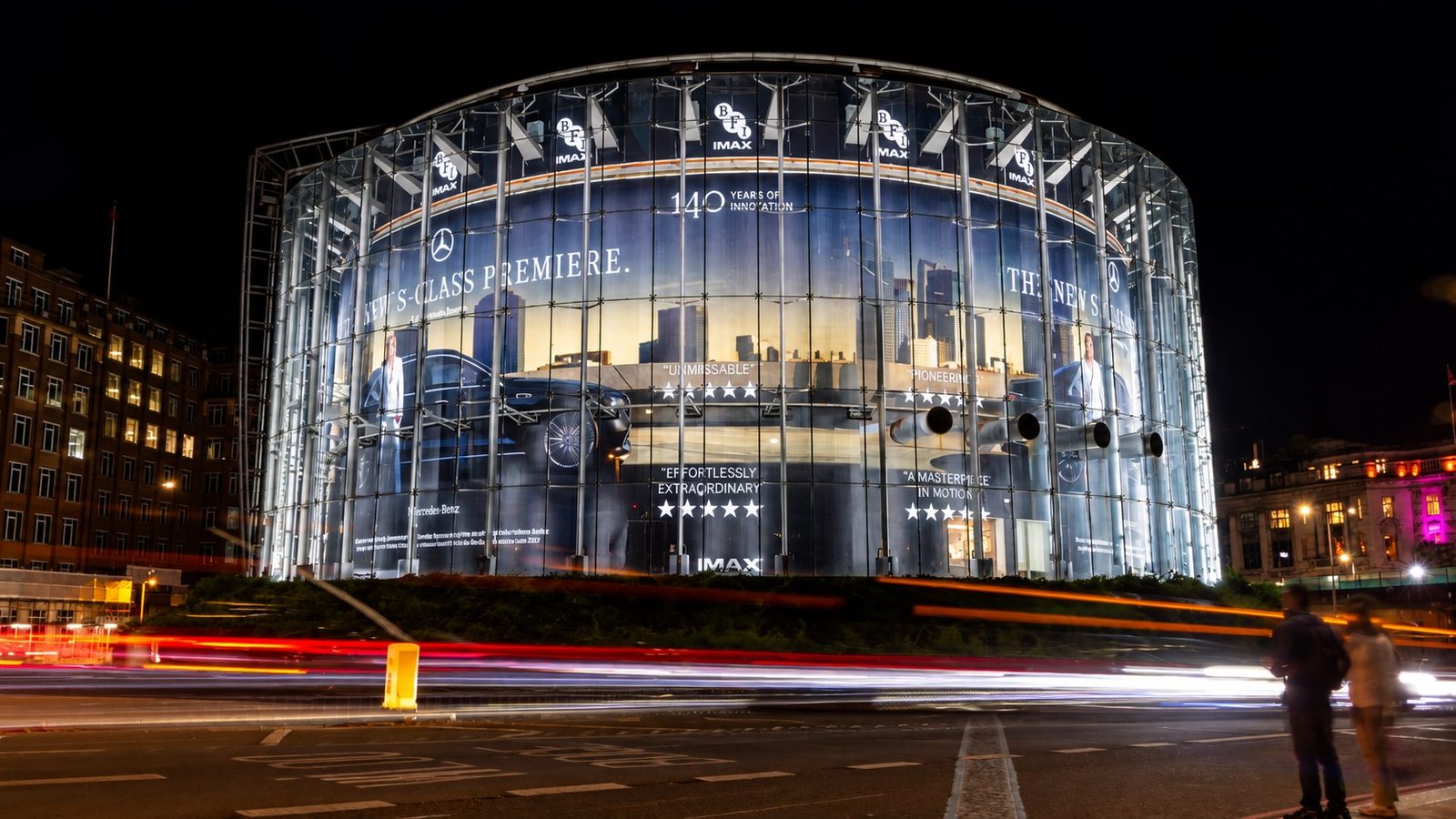
Ocean Outdoor has published research arguing that where a brand runs digital out-of-home advertising matters as much as how often it is seen, a finding that matters for anyone selling or buying premium screen inventory in busy urban locations.
The study, carried out by research firm Everyday People and commissioned by Ocean Outdoor, found that advertising on high-profile OOH displays generated 88% stronger "brand fitness signals" than standard outdoor formats. Fitness signals, as defined in the research, cover perceived financial strength, product quality and consumer confidence in a brand.
Landmark sites such as London's Piccadilly Lights and the BFI IMAX screen performed particularly strongly. According to Ocean Outdoor, these locations beat television on five of six brand perception measures tested in the study.
How the test was run
Researchers recruited 2,426 participants in the first quarter of 2026 and tested eight outdoor advertising locations using a fictional brand called TIXE. Using an invented brand was meant to isolate perceptions tied to the advertising environment itself, rather than any existing reputation. Participants were shown an example location, told the fictional brand would advertise there exclusively for three months, and then asked about perceived financial strength, product quality, confidence and likely commercial success.
The research separated results into fitness signals and social signals, the latter covering expectations of brand recognition, popularity and commercial success. Large-format, full-motion displays produced a 50% increase in fitness signals over standard OOH, while iconic locations delivered the 88% increase. The gap was smaller for social signals: a 23% lift for large-format full-motion displays and 37% for iconic sites, compared with standard formats.
Against social media, Ocean's premium and iconic locations also scored well, with the study citing a 71% increase in perceived brand quality, a 91% increase in perceived financial strength and a 21% increase in confidence in the advertised brand. Against television, premium large-format displays beat TV on two of six measures, while iconic formats won on five.
What it means for buyers
Steve Bernard, Ocean Outdoor UK's head of insight, said the results show advertisers should weigh factors beyond reach when picking outdoor sites. "Reach is very important, but attention and signal strength power brand perception and trust,” he said, according to the release.
The company says it plans to combine these findings with attention measurement data to help advertisers evaluate how different outdoor environments affect brand relationships. This builds on earlier signaling studies Everyday People conducted for Thinkbox in 2020 and WPP Essencemediacom in 2024.
It is worth noting what the study does not show. It measures stated perception of a hypothetical three-month campaign, not actual purchase behavior, sales lift, or the real commercial performance of campaigns run at these sites. Ocean Outdoor also commissioned the research and operates the iconic locations tested, including Piccadilly Lights, so the findings double as a case for its own premium inventory.
The announcement in full
Reproduced from invidis for reference. Digital Signage Magazine did not write the text below.
Research commissioned by Ocean Outdoor finds that advertising on landmark OoH displays generates stronger signals of brand quality, financial strength and confidence than standard outdoor formats.
British outdoor advertising company Ocean Outdoor has released new research suggesting that where a brand advertises can significantly influence how consumers perceive it. The study found that high-profile OoH locations generated 88% stronger brand fitness signals than standard outdoor advertising formats.
The research, conducted by Everyday People, examined how different advertising environments influence consumer perceptions of a brand’s financial strength, product quality, and confidence in its products.
Iconic locations such as London’s Piccadilly Lights and BFI IMAX performed particularly well. According to the study, these formats outperformed television on five of the six brand perception measures tested.
The study distinguishes between two categories of brand signals: fitness signals, which measure perceived financial strength, product quality and confidence, and social signals, which assess expectations of brand recognition, popularity and commercial success.
Compared with standard OoH, large-format, full-motion displays generated 50% stronger fitness signals, while iconic locations delivered an 88% increase.
The differences were less pronounced for social signals. Large-format, full-motion displays achieved a 23% increase over standard OoH, while iconic locations generated a 37% improvement.
Ocean’s premium locations, including its iconic sites, also performed well against social media. The research found a 71% increase in perceived brand quality, a 91% increase in perceived financial strength and a 21% increase in confidence in the advertised brand.
Premium large-format displays outperformed television on two of the six measures, while iconic formats scored higher on five.
Ocean commissioned the research to build on previous signaling studies conducted by Everyday People for Thinkbox in 2020 and WPP Essencemediacom in 2024.
Researchers recruited 2,426 participants during the first quarter of 2026 and tested eight outdoor advertising locations using a fictional brand called TIXE.
Participants saw an example advertising location and were told that TIXE planned to advertise exclusively at that site for three months. They then answered questions about the brand’s perceived financial strength, product quality, confidence and potential commercial success.
Using a fictional brand allowed researchers to examine perceptions associated with the advertising environment rather than an established brand’s reputation.
Steve Bernard, Ocean Outdoor UK’s head of insight, said the findings demonstrate why advertisers should consider factors beyond audience reach when selecting outdoor advertising locations.
“The findings tell us that advertisers should consider how significantly different premium and iconic large formats are in powering positive brand effects. Consideration should be given to nuances in effectiveness – reach is very important, but attention and signal strength power brand perception and trust,” Bernard said.
Ocean intends to use the findings alongside attention measurements to help advertisers assess how different outdoor environments might influence consumer relationships.
The results measure participants’ perceptions of a hypothetical advertising campaign, not actual purchasing behavior or the commercial performance of campaigns at the locations tested.