Pranos Eyes Programmatic Ads for Car Window Projection System
2026-09-30 · via AV Magazine
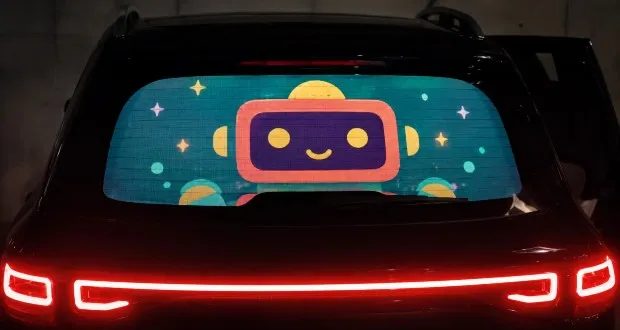
Pranos, a US company selling a projection system that turns car windows into display surfaces, says it is developing an API and media-control layer that could open its hardware up to programmatic advertising. That would move HoloGlass from a consumer novelty toward a genuine DOOH inventory source, though the company is clear this is a future direction rather than a current product.
HoloGlass pairs a compact projector with a detachable rear-projection screen insert cut to fit a vehicle's window contours. The projector mounts from a glass roof, an opposing window, or a headrest, and covers sedans, SUVs and trucks. Owners currently load their own content through a mobile app, USB playback, or an HDMI source such as a phone or laptop, and can also feed live visuals through HDMI.
Founder and chief executive David Astoria said the API work is not part of today's consumer offering but is a direction the company is building toward, framing it as a way to let programmatic channels deliver content to drivers who opt to make their windows available for advertising. The release does not say when this capability would ship, what the revenue model would look like, or which DOOH networks or SSPs might integrate with it.
For signage and DOOH operators, the interesting part is less the hardware than the inventory model it implies: ad space that moves with a private vehicle rather than sitting on a fixed pole or storefront. That puts HoloGlass in a different category from static street furniture or transit-side screens, closer to the mobile and rideshare-topper plays that have circulated in DOOH for years. Astoria said Pranos originally set out to build another taxi-topper product before deciding the bigger opportunity was giving people a general-purpose way to communicate visually outdoors.
The company has already deployed HoloGlass at live events as a flexible outdoor display alternative to fixed LED screens, and has shipped units to Australia for use on buses. It also offers a front-windshield configuration, which Pranos suggests could eventually serve robotaxi advertising, though again this is speculative and not tied to any named deployment or partner.
Operationally, there are real constraints. Pranos's public guidance recommends stationary or parked use and warns that operating the display while the vehicle is moving may be restricted or prohibited, a point that matters for any advertiser or agency weighing this as inventory, since regulatory exposure would sit with the vehicle owner or fleet operator.
Pranos was incorporated in Delaware in August 2019 and began shipping consumer units in August 2024. The announcement gives no timeline for the programmatic API, no pricing, and no detail on measurement or verification, all of which a media buyer would need before treating this as a serious DOOH channel.
The announcement in full
Reproduced from AV Magazine for reference. Digital Signage Magazine did not write the text below.
By AV Magazine in Digital Signage and DOOH , Displays , Projection September 30, 2026 0
Car-window display company Pranos has a long-term plan to develop an API and media-control layer for its HoloGlass projection system that could deliver programmatic advertising content.
A US-based company that supplies a projection system for car window displays is looking at developing the medium into a Digital Out of Home opportunity.
Pranos’s HoloGlass car window projection system enables drivers to share messages, artworks and video with people outside the vehicle.
The business currently sells predominantly to consumers, but the the company is developing an API and media-control layer that could let programmatic advertising channels deliver content to users who choose to make their vehicle window available for advertising.
“That is not the current consumer product model, but it is a direction we are building toward,” said Pranos founder and chief executive David Astoria.
Each Pranos kit combines a compact projection system with a detachable rear-projection screen insert shaped to match the contours of the customer’s vehicle.
The projection hardware fits a range of sedans, SUVs and trucks. It is either mounted from a glass roof, an opposing window or a headrest-based configuration.
The custom screen insert slides into the rear-side or back window and is removable, so the digital window display feels integrated with the vehicle, rather than like a generic panel.
Customers control their own content by uploading media through a mobile app and embedded media-player system, using USB playback, or connecting a phone, laptop or other HDMI source.
An HDMI source can also provide live visuals, or communicate outdoors.
HoloGlass has been deployed at live events to give brands, creators and vehicle owners a flexible outdoor digital display without installing a fixed LED screen. Systems have also been shipped to Australia for use on buses.
While HoloGlass is designed primarily for rear-side and rear vehicle windows, Pranos offers a front-windshield configuration that could be used for advertising robotaxis.
Pranos was incorporated in Delaware in August 2019 and launched the consumer version of HoloGlass in August 2024, when it began shipping its first units to early customers.
Founder David Astoria added: “We initially set out to create another form of taxi topper, then saw a bigger opportunity, as people have very few ways to communicate visually outdoors.”
Pranos’s current public guidance recommends parked or stationary use and warns that moving-vehicle use may be restricted or prohibited.
To find out more about HoloGlass, click here .