SoC Media Players Now Match Windows PCs, SignageOS Benchmark Suggests
2026-09-29 · via invidis
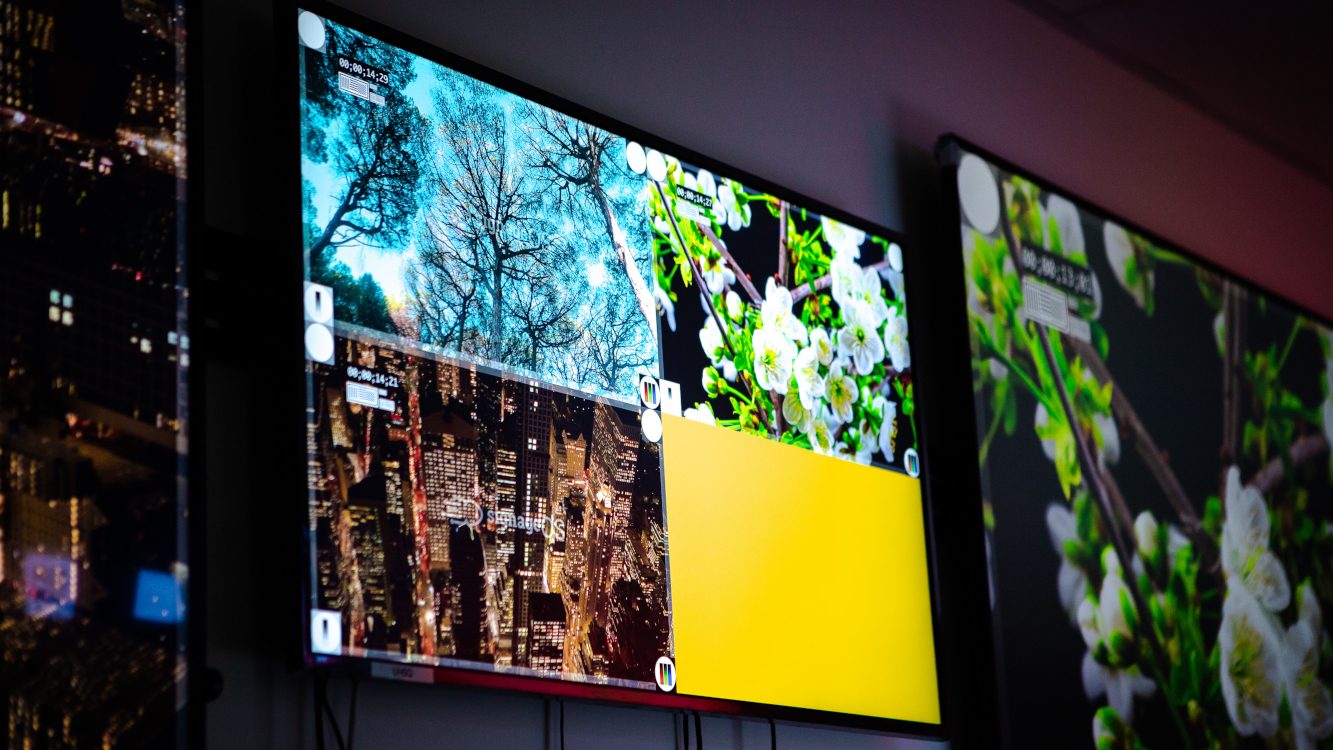
A new benchmark from SignageOS shows a system-on-chip platform matching the performance of a current Windows PC for the first time, according to an opinion piece by Florian Rotberg published on invidis. LG's WebOS 9 completed the full benchmark suite without errors, a result Rotberg calls a milestone for integrated signage displays.
For operators weighing hardware decisions right now, the timing matters. Memory prices are rising in 2026, according to the piece, which pushes up the cost of external media players at the same time SoC platforms are gaining share across the industry. Rotberg argues that for standard playback, menu boards, dashboards, corporate communications and general retail signage, modern SoCs now perform close enough to external Windows PCs that the extra box is hard to justify on cost alone.
The piece does not claim this is the end of the external player market. It specifically carves out continued relevance for compact appliances such as Raspberry Pi-based players, citing their low cost, flexibility and ability to sit consistently across displays from different manufacturers. It also argues that full-size Windows PCs will keep a role in demanding applications: high-performance video processing, interactive experiences, computer vision, real-time analytics and complex multi-screen setups, where the extra computing headroom still counts.
Enterprise deployments are flagged as another exception. Rotberg notes that multinational organizations often standardize signage endpoints on the same PC platform used across the rest of their IT estate, because existing security policies, endpoint management tools and service structures can matter more than raw hardware economics.
What the piece leaves open
The article is framed as opinion, not as a report of new product specifications, and it does not name specific benchmark scores, test methodology details, or which other SoC platforms were tested alongside LG's WebOS 9. It also flags Edge AI as an open question: as local AI models start running at the display endpoint, Rotberg says it is not yet clear whether SoC hardware can keep pace, noting that dedicated PCs still hold an advantage for demanding local AI workloads even as AI accelerators start appearing in display chipsets.
For buyers evaluating media player strategy, the practical takeaway is a narrower one than the headline suggests: the argument is that SoC has moved from a budget compromise to a legitimate default for everyday signage, not that external players are obsolete. Anyone running interactive kiosks, computer vision applications, or large multi-screen estates tied to Windows-based IT policy has reasons, per this piece, to keep evaluating PC-based players on their own merits.
The announcement in full
Reproduced from invidis for reference. Digital Signage Magazine did not write the text below.
A benchmark result alone does not change a market, but it can confirm that a shift is already underway. The latest SignageOS results suggest SoC has evolved from the budget alternative into the most rational choice for mainstream digital signage deployments. An opinion by Florian Rotberg.
It was foreseeable, yet it remains a remarkable milestone: for the first time, a system-on-chip (SoC) has matched the performance of a current Windows PC in the SignageOS benchmark. Even more importantly, LG’s premium WebOS 9 platform completed the full benchmark suite without errors. For years, proponents of integrated signage platforms have argued that SoC performance would eventually catch up with standalone media players. The latest results suggest that moment has now arrived.
The timing could hardly be more significant. In 2026, memory prices appear to have only one direction: upwards. Rising component costs are putting increasing pressure on the economics of external media PCs, while SoC platforms continue to gain market share across the digital signage industry. For many applications, the value proposition has become difficult to ignore. The processing hardware is already integrated into the display, eliminating the cost, complexity, and maintenance requirements associated with an additional player.
Behind closed doors, many media player vendors are already acknowledging what the market data has been hinting at for some time: the battle for simple digital signage applications is largely over. For standard content playback, dashboards, menu boards, corporate communications, and retail signage, modern SoCs now offer performance that is effectively on par with external Windows-based PCs at a fraction of the total cost of ownership. When a capable player is already built into the display, every additional hardware box has to justify its existence.
That does not mean the end of the external media player. Far from it. Compact signage appliances based on Raspberry Pi or comparable platforms will continue to have a place in the market. Their low cost, deployment flexibility, and platform independence remain attractive, particularly where displays from multiple manufacturers need to be managed consistently.
The real challenge is increasingly directed at full-size Windows media players. For years, they represented the default choice for professional digital signage deployments. Today, however, their role is becoming more specialized. High-performance video processing, advanced interactive experiences, computer vision, real-time analytics, and complex multi-screen environments still require the computing headroom that dedicated PCs provide.
The enterprise market offers another important exception. Many multinational organizations prefer to standardize on a common PC platform across workplace technology and digital signage. Global service structures, established security policies, endpoint management systems, and existing operational processes often outweigh pure hardware considerations. In these environments, a Windows-based signage endpoint can be easier to integrate into existing IT ecosystems than a display-native SoC.
The next growth area may well be Edge AI. As organizations experiment with local AI models running directly at the endpoint, new computing demands are emerging. Whether SoCs can keep pace with these requirements remains to be seen. While AI accelerators are finding their way into display platforms, dedicated PCs still offer a significant advantage when it comes to running sophisticated local AI workloads.
Yet the significance of the latest benchmark should not be underestimated. For years, the industry’s perception of SoC performance lagged behind reality. System integrators and end users often accepted integrated platforms as a compromise: cheaper and simpler, but less powerful. The latest benchmark data challenges that assumption. SoC platforms are no longer merely “good enough” for standard digital signage. They are demonstrably competitive with external PCs.
From economical option to rational choice
In a market increasingly defined by cost pressures, soaring memory prices, and the need for operational simplicity, that changes the equation. External PCs will remain essential for demanding and specialized projects. But for the vast majority of everyday signage deployments, SoC has evolved from the economical option into the rational choice.