Times OOH Upgrades Mumbai Metro Line 1 to 75-Inch DooH Screens
2026-08-11 · via invidis
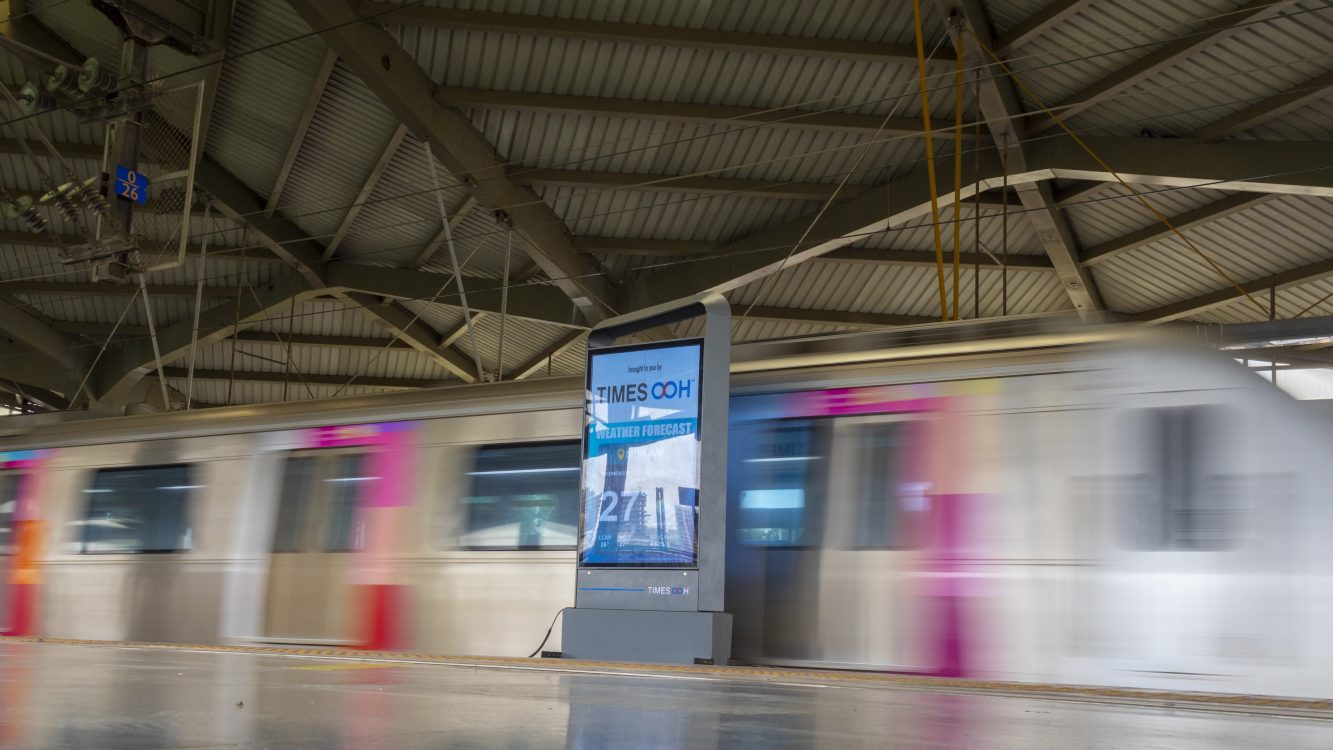
Times OOH has replaced 55-inch digital screens with 75-inch displays at nine stations along Mumbai Metro Line 1, standardizing the platform-level advertising network on a single larger format. For operators watching how transit media is evolving in high-density Asian markets, this is a case study in consolidating hardware specs across a network rather than running mixed sizes station by station.
The new screens sit between the tracks at eye level, facing commuters as they wait for trains. That placement, described by Times OOH as one of the most effective spots in a metro environment, was already in use with the old 55-inch units. The upgrade is about screen size, brightness and enclosure design rather than a change in location strategy.
According to Times OOH, the 75-inch displays carry enhanced brightness intended to hold up against changing daylight conditions on the platforms, and a redesigned enclosure meant to look cleaner and more premium than the previous installation. The announcement does not specify the actual nit rating, panel manufacturer, media player hardware, or content management system running the network, so operators looking for technical detail beyond screen size will need to look elsewhere.
Why the line matters
Mumbai Metro Line 1 carries more than a million passengers a day, per Times OOH, and the company says around 94 percent of them fall into the NCCS A consumer segment, India's higher-income and more affluent demographic bracket. That combination of volume and buying power is what makes the corridor attractive to advertisers regardless of screen size, and it is likely the commercial justification for the capital spend on new hardware.
The upgrade also speaks to a broader issue in the Indian OOH market: inconsistent standards across operators and networks. Advertisers buying DooH inventory in India have long dealt with variation in screen size, quality and reliability from one site to the next, which complicates campaign planning and measurement. By moving every screen on this line to the same 75-inch format, Times OOH is simplifying that planning process for media buyers and creating a more uniform brand experience across the nine stations, at least on this one corridor.
What is missing
The announcement does not disclose the cost of the upgrade, the timeline for rollout across the nine stations, or whether Times OOH plans to extend the same 75-inch standard to other metro lines or transit assets it operates. It also does not mention any audience measurement or attribution tools tied to the new screens, which is increasingly what advertisers ask for alongside reach and screen quality. For an industry moving toward accountability and verified impact, hardware upgrades alone answer only part of what buyers are asking operators to deliver.
The announcement in full
Reproduced from invidis for reference. Digital Signage Magazine did not write the text below.
Times OOH is bringing international-grade standardization to Mumbai Metro Line 1 with a comprehensive upgrade of its digital advertising network. Larger screens, premium design and a high-value audience make the transit corridor one of India's standout DooH environments.
India’s Out-of-Home market is often described as a land of endless opportunities. From iconic roadside hoardings to rapidly expanding digital networks, few countries offer a comparable combination of scale, urban density and audience reach. Yet despite this abundance, the market continues to struggle with one persistent challenge: standardization.
Against this backdrop, one of the market leaders Times OOH is standardizing one of its main media networks to international standards. The Times Group subsidiary has upgraded its Digital Out-of-Home network across Mumbai Metro Line 1, replacing existing 55-inch platform screens with larger 75-inch displays at nine key stations along one of India’s busiest transit corridors.
The newly installed displays are positioned in one of the most effective locations within the metro environment: directly between the tracks and at eye level for waiting passengers. The head-on orientation makes the screens difficult to ignore as commuters enter the platform and await arriving trains.
With the move to 75-inch displays, advertisers benefit from significantly increased visual impact. According to Times OOH, the screens also feature enhanced brightness levels designed to maintain image quality throughout changing daylight conditions. Complementing the hardware upgrade is a redesigned enclosure intended to create a cleaner and more premium visual experience.
Mumbai Metro Line 1 remains one of the country’s most attractive transit advertising environments. The line connects major residential, commercial and lifestyle districts across India’s financial capital and serves more than a million passengers daily.
According to Times OOH, around 94 percent of commuters belong to the NCCS A consumer segment, representing one of India’s most affluent and influential audience groups. Few transit media environments combine such high passenger volumes with a similarly attractive demographic profile.
You are currently viewing a placeholder content from YouTube . To access the actual content, click the button below. Please note that doing so will share data with third-party providers.
India’s OoH sector offers thousands of advertising opportunities, but quality and execution standards can vary significantly between operators and markets. In recent years, the industry has increasingly focused on measurement, transparency and network consistency as advertisers demand greater accountability.
Times OOH’s latest investment demonstrates how leading operators are responding to these expectations. Standardizing the display network around a single 75-inch format simplifies campaign planning while creating a more consistent brand experience across the entire metro corridor.
As Digital Out-of-Home continues to mature, such investments are becoming increasingly important. Advertisers are no longer looking solely for reach; they expect premium environments, reliable execution and measurable impact.
Metro : Premium DooH for India’s Financial Capital
India’s OoH Trust Deficit : Five Challenges Holding Back the Market
Australia : I Squared Capital Wins Bidding War for oOh!Media
LED : Adelaide Oval Upgrades Five Displays with Daktronics
DooH : Touchsource and Smartify partner on Programmatic DooH